
Popular Bird Control Devices For Effective Pest Management
Discover highly effective devices that help prevent bird infestations and maintain a clean, bird-free environment.
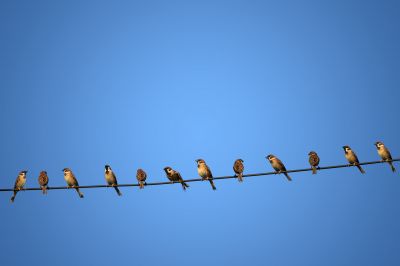 Dealing with unwanted bird presence can be a challenge for many property owners and maintenance professionals. Birds can cause damage to structures, create messes with droppings, and sometimes pose health risks through droppings and nesting materials. Fortunately, there are a variety of products designed to deter and control bird populations effectively. These range from physical barriers and visual deterrents to sound devices and chemical repellents, each suited to different scenarios and environments.
Top Overall Option
Versatile Bird Deterrent System
A comprehensive bird deterrent system that combines multiple methods such as visual, auditory, and physical barriers. It offers flexible installation options suitable for various environments and can be customized to target specific bird species. This type of system is often favored for its adaptability and multi-layered approach, providing a balanced solution for different bird control needs.
Types of Products For Bird Removal And Controls
Bird Spikes
Physical barriers that prevent birds from landing on ledges, roofs, and other surfaces, reducing nesting and roosting opportunities.
Bird Netting
Heavy-duty netting used to block off large areas such as vents, eaves, or entire sections of buildings to keep birds out.
Visual Deterrents
Reflective tapes, predator decoys, and other visual devices designed to scare birds away by mimicking threats or creating movement.
Sound Repellents
Devices that emit distress calls or predator sounds to discourage birds from settling in the area.
Ultrasonic Devices
Electronic devices that produce high-frequency sounds inaudible to humans but unsettling to birds, encouraging them to leave.
Bird Gels and Repellents
Chemical formulations applied to surfaces to make them unappealing or sticky, deterring birds from landing.
Electric Shock Tracks
Low-voltage shock tracks that deliver a mild shock when birds attempt to land, discouraging perching.
Bird Tapes and Reflectors
Movable reflective tapes and reflectors that produce flashes of light to scare birds away.
Bird Wire Systems
Thin wires installed across ledges or open areas to prevent birds from landing comfortably.
Nest Removal Tools
Specialized tools designed to safely remove nests without harming birds, often used in conjunction with other deterrents.
Bird Repellent Sprays
Sprays that create a deterrent barrier on surfaces, discouraging birds from landing or nesting.
Roof Vents and Covers
Specialized covers to prevent birds from nesting inside vents and other openings.
Perch Deterrent Devices
Devices designed to make perching areas uncomfortable or inaccessible for birds.
Bird Exclusion Doors
Removable doors or flaps that allow access for maintenance but prevent bird entry.
Popular Choices
Widely used for preventing birds from landing on ledges and roof edges, available in various sizes and materials.
Commonly installed to block off large nesting areas, providing a physical barrier against multiple bird species.
Affordable and easy-to-install visual deterrents that create flashes of light to scare birds away.
Popular electronic devices that emit high-frequency sounds to encourage birds to leave the area.
Decoys such as owl or hawk figures used to create a visual threat and discourage bird presence.
Sticky gels applied to surfaces to make them unpleasant for birds to land on, often used in problem areas.
Thin wires installed across open areas to prevent landing and roosting, favored for their discreet appearance.
Chemical sprays designed to deter birds from specific surfaces or nesting sites.
Effective in preventing birds from nesting inside vents, a common entry point for many species.
Devices that make perching uncomfortable, reducing the likelihood of bird nesting or roosting.
When selecting bird removal and control products, it is important to consider the specific species involved, the location of the problem, and the level of persistence needed. Some products are more suitable for small areas like balconies or vents, while others are designed for larger spaces such as rooftops or building facades. Proper installation and maintenance are key to ensuring these products work as intended, and understanding the limitations of each type can help set realistic expectations.
Effective bird control often involves a combination of methods. Physical deterrents like spikes or netting prevent birds from landing or nesting in protected areas. Visual devices such as reflective tapes or predator decoys can scare birds away temporarily. Sound deterrents emit noises that mimic predators or distress calls, discouraging birds from settling nearby. Chemical repellents, when used appropriately, can also make surfaces less attractive to birds. Selecting the right products depends on the specific bird species, the environment, and the level of control needed.
Regular maintenance and monitoring are essential components of a successful bird control strategy. Over time, birds may become accustomed to certain deterrents, so rotating methods or combining different types can improve effectiveness. Consulting with pest management professionals or researching product specifications can help ensure the chosen solutions are suitable for the particular situation, leading to a safer and cleaner environment.
Key Buying Considerations
- Identify the specific bird species causing the issue to choose the most effective deterrents.
- Assess the size and location of the area needing protection to select appropriate products.
- Consider the durability and weather resistance of products for outdoor applications.
- Evaluate if a multi-method approach is necessary for persistent or large-scale problems.
- Check for ease of installation and maintenance requirements of the products.
- Ensure the products are safe for other wildlife and do not cause unintended harm.
- Review product dimensions and compatibility with the intended installation sites.
- Look for products that are discreet and do not detract from the aesthetic of the property.
- Consider the long-term effectiveness and whether the deterrent may need replacement or rotation.
- Research customer reviews and ratings to gauge real-world performance.
- Verify if the products are suitable for the specific environment, such as coastal, urban, or rural areas.
- Determine if professional installation is recommended or if DIY installation is feasible.
- Check for any legal restrictions or regulations regarding bird deterrents in your area.
- Estimate the overall budget, including potential ongoing costs for maintenance or replacements.
- Consider environmental safety and avoid products that may be harmful to pets or humans.